
Serving Seattle, Washington
Roofline & Overhang Rot Repair
Expert roofline & overhang rot repair services for Portland and Seattle homeowners backed by local knowledge and quality craftsmanship.
What we cover
Why homeowners choose Rot Repair Experts
-
Licensed & Bonded
Fully licensed in Oregon and Washington. All work is bonded and insured.
-
Free Consultation
No-obligation consultation on every job. We show up, assess, and give you a straight answer.
-
Local Family Business
Serving Portland and Seattle homeowners for over 20 years, not a franchise.
Get your free consultation
We'll get back to you within one business day.
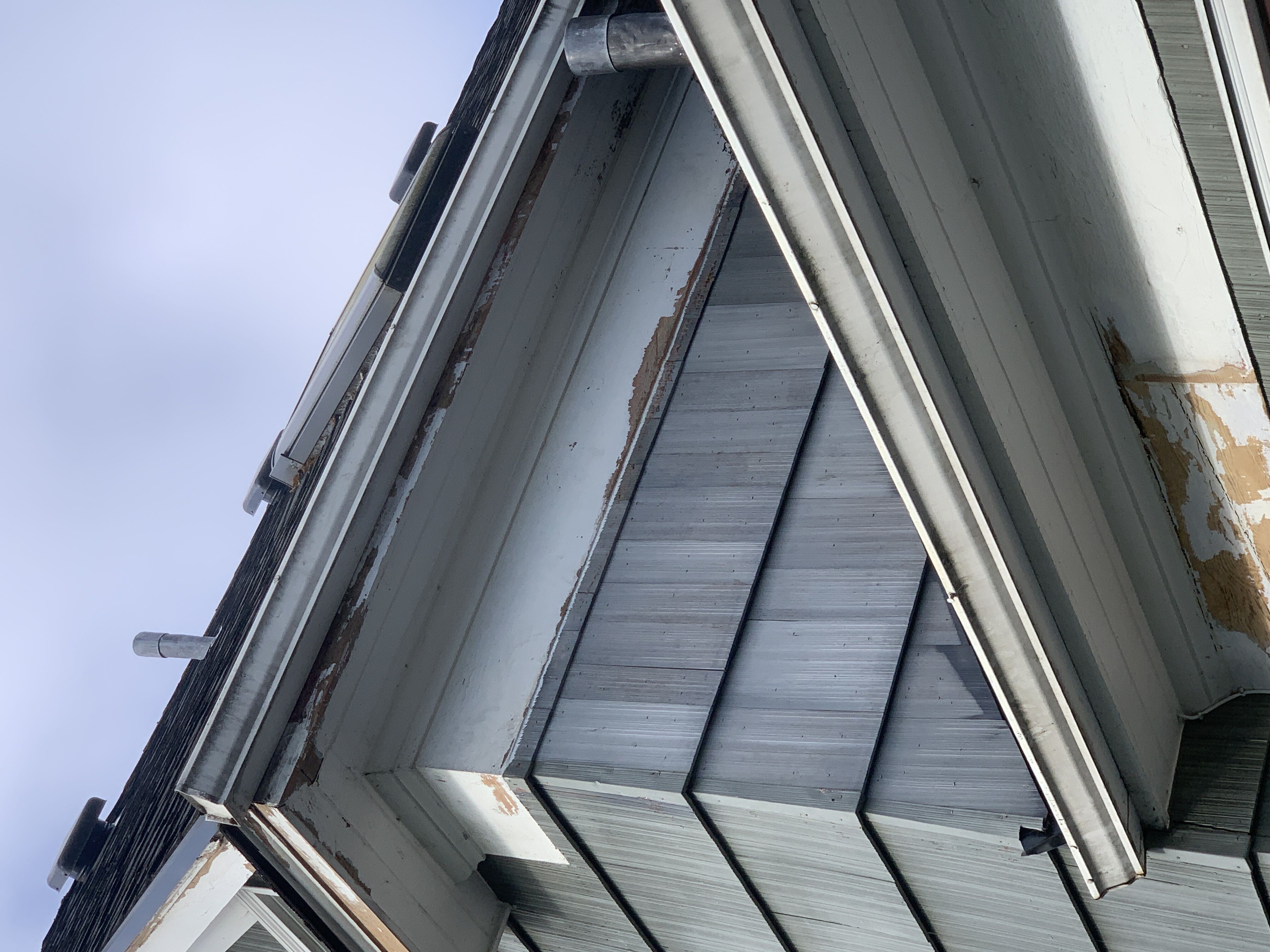
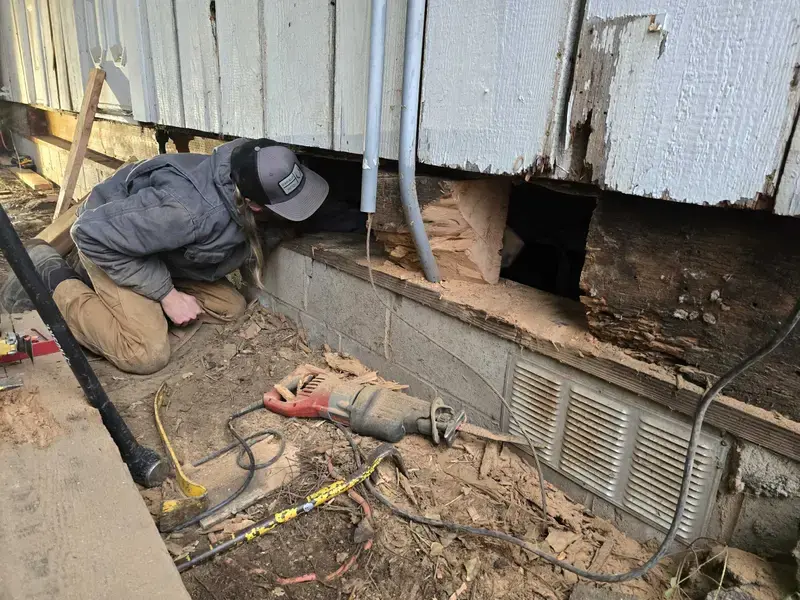
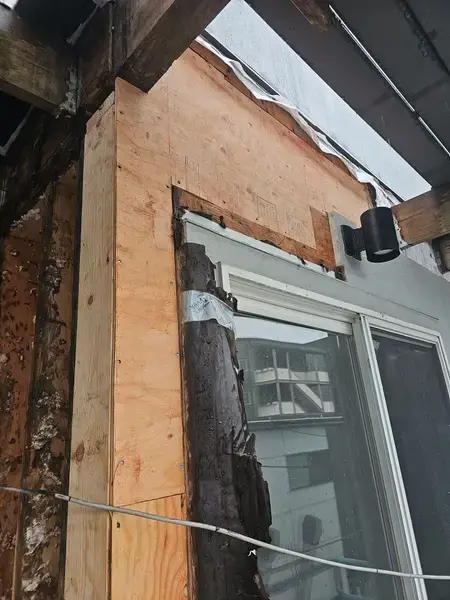
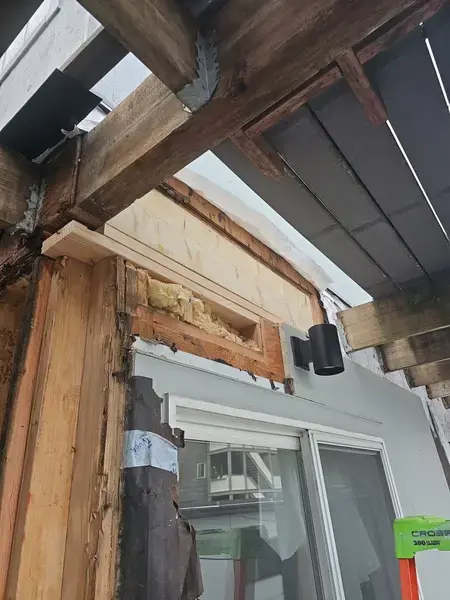
Roofline Rot Repairs
Roofline rot is a common issue for Seattle homeowners, especially with the persistent rain and moisture typical of the Pacific Northwest. Over time, water can seep into the roofing materials, leading to rot in the sheathing and rafters. This is often exacerbated by poor flashing installation or old flashing that has worn out, allowing water to penetrate vulnerable areas of the roof1. When left unaddressed, rot can compromise the structural integrity of your roof, leading to costly repairs. The process of repairing roofline rot involves removing the damaged roofing material and inspecting the underlying structure. If the sheathing or rafters have been significantly affected, they may need to be replaced to prevent further damage. It is crucial to ensure that any new materials are installed correctly and that adequate ventilation and drainage are in place to mitigate future rot2. If you suspect roofline rot is affecting your home, it's essential to address the issue promptly to avoid more extensive damage. Contact SFW Construction to schedule a thorough inspection and professional repair service.
Dealing with roofline rot repairs? Call us for a free assessment.
(503) 885-0236Eave Rot Repair
Eave rot is a common problem for homeowners in Seattle due to the frequent rain and moisture typical of the Pacific Northwest. Eaves, which extend beyond the walls of a house, are particularly susceptible to rot as they are constantly exposed to the elements. When addressing eave rot, it's crucial to begin by assessing the extent of the damage. A pocketknife or an awl can be used to test the lumber for rot or insect damage3. If the rot is minimal, it might be possible to reinforce the remaining wood with a high-strength epoxy, which can be more cost-effective than replacing entire sections4. However, for more extensive rot, the best approach is to cut back to solid wood and replace the damaged sections with new materials to ensure structural integrity and prevent future issues. To protect your home from further damage, consider improving drainage or ensuring that gutters are functioning properly. If you're experiencing eave rot, take the first step toward a lasting solution by scheduling an inspection with our experts today.
Dealing with eave rot repair? Call us for a free assessment.
(503) 885-0236Roof Overhang Rot Repair
In Seattle's damp climate, roof overhangs are particularly vulnerable to rot, which can compromise the structural integrity of your home. Overhangs are designed to protect your walls from rain, but when they are not properly maintained or constructed, they can become a liability. The constant exposure to moisture can lead to the development of rot, particularly in areas where water can pool or where materials are inadequately sealed5. Once rot sets in, it can spread quickly, affecting not just the overhangs but also adjacent roofing materials and the underlying structure. Addressing this issue involves removing the rotted sections and replacing them with treated wood or composite materials that resist moisture and decay6. Regular inspections and maintenance can prevent rot by ensuring that gutters are clear and that water is properly diverted away from the roofline. If you notice signs of rot in your roof overhangs, such as sagging or discolored wood, it's crucial to act swiftly to prevent further damage. Schedule a professional assessment to determine the extent of the rot and the best repair strategy to protect your home and its value.
Dealing with roof overhang rot repair? Call us for a free assessment.
(503) 885-0236Gable End Rot Repair
Gable ends, the triangular sections of wall beneath the roofline, are particularly susceptible to rot in Seattle's damp climate. The wood framing and siding can trap moisture, especially if there's inadequate ventilation or if the flashing is compromised. When gable ends start to rot, their structural integrity is at risk, potentially leading to further water infiltration and damage7. To effectively repair gable end rot, the damaged wood must be removed and replaced with new, treated lumber. This often involves cutting back to sound wood and creating scarf joints to connect new sections securely8. Proper sealing and flashing are crucial to prevent future moisture intrusion. Additionally, ensuring proper ventilation in the attic space can help minimize moisture accumulation, protecting the gable ends from rot over time. If you notice signs of rot in your gable ends, such as peeling paint or soft spots, it's important to address them promptly to avoid more extensive damage. Consider scheduling a professional inspection to assess the extent of the damage and determine the best repair approach.
Dealing with gable end rot repair? Call us for a free assessment.
(503) 885-0236Barge Board Rot Repair
Barge boards, often found on the gable ends of homes, play a crucial role in protecting roof structures and adding aesthetic appeal. However, in the moisture-laden climate of Seattle, these boards are susceptible to rot if not properly maintained. Rot typically begins at the end grain of the wood, where moisture can easily penetrate9. To effectively repair a rotted barge board, it's essential to first remove the damaged section back to solid wood. This ensures that the new material can bond securely without being compromised by existing rot10. Use a high-strength marine epoxy to secure a new section of wood, ensuring it matches the existing board in both species and dimensions for a seamless repair. This approach not only restores the structural integrity of your roofline but also maintains the visual harmony of your home's exterior. Don't allow rot to compromise your home's curb appeal; schedule a professional assessment to address any barge board concerns.
Dealing with barge board rot repair? Call us for a free assessment.
(503) 885-0236Fascia Board Replacement
Replacing a fascia board in your Seattle home is crucial when dealing with rot, especially given the Pacific Northwest's persistent rain. Fascia boards are prone to moisture damage, which can compromise their structural integrity and lead to further issues if not addressed promptly. The process typically involves removing the damaged section and replacing it with a new board. It's important to cut back to undamaged wood at a 45-degree angle, a technique known as a scarf joint, which ensures a solid bond when attaching the new section11. Using high-strength epoxy rather than carpenter’s glue is advisable for a durable repair12. This method helps maintain the architectural continuity of your home while providing long-lasting protection against further rot. If you're noticing signs of rot in your fascia boards, it's time to consider replacement to prevent more extensive damage.
To ensure your fascia board replacement resists Seattle's moisture, opt for materials like aluminum or vinyl, which require less maintenance and provide greater longevity compared to traditional wood12. Don't wait for small issues to become big problems—inspect your fascia boards today and ensure your home's exterior remains protected.
Dealing with fascia board replacement? Call us for a free assessment.
(503) 885-0236Rotted Rafter Tails & Overhangs
Rotted rafter tails and overhangs are common issues in Seattle's older homes, where persistent moisture from rain can exacerbate wood decay. Rafter tails, the extended portion of the rafter beyond the exterior wall, are particularly vulnerable to rot due to their exposure to the elements. Moisture seeps into unprotected wood, promoting fungal growth and weakening the structure. As the rot progresses, it can compromise the integrity of the entire roof overhang, leading to sagging or collapse.13 Repairing rotted rafter tails involves removing the decayed wood and replacing it with treated lumber that resists moisture and fungal damage. It's crucial to ensure proper flashing and sealing to prevent future rot.14 If you notice signs of rot in your roof overhang, such as dark spots, softness, or a musty smell, it's time to inspect the rafter tails. Addressing these issues early can prevent extensive damage and costly repairs. For effective rafter tail repairs that withstand Seattle's wet climate, consider reaching out to a local expert.
Dealing with rotted rafter tails & overhangs? Call us for a free assessment.
(503) 885-0236Chimney Chase Rot Repair
Chimney chases, often constructed from wood, are susceptible to rot, especially in Seattle's damp climate. Moisture can easily penetrate the chase if the flashing is inadequate or the chimney cap is missing. Over time, this moisture can cause the wood components of the chase to deteriorate, leading to structural issues and potential water damage inside your home15. Regular inspection and maintenance are crucial to prevent rot from compromising the integrity of your chimney chase. If you notice signs of rot, such as soft or discolored wood, immediate repair is essential. Repairs typically involve removing the damaged wood and replacing it with treated lumber to resist future moisture intrusion16. Replacing or repairing the flashing and ensuring proper sealing around the chimney can also prevent further issues. Addressing chimney chase rot promptly not only protects the structural integrity of your home but also prevents more extensive and costly repairs down the line. If you're experiencing issues with your chimney chase, consider scheduling a professional inspection to assess the damage and recommend the best course of action.
Dealing with chimney chase rot repair? Call us for a free assessment.
(503) 885-0236Soffit & Fascia Rot
Moisture intrusion is a common issue in the Pacific Northwest, particularly in areas like Seattle where rain and damp conditions can wreak havoc on older homes. Soffits and fascias are especially vulnerable to rot due to their location on the roofline where water runoff is frequent. The soffit, which extends from the side of the house to the edge of the eave, and the fascia, which runs along the roofline, both play a crucial role in protecting your home from water damage. However, once these components rot, they can compromise the structural integrity of your roof and allow water to penetrate further into your home17.
Repairing soffit and fascia rot involves removing the damaged sections and replacing them with new materials. Using non-wood alternatives like aluminum or vinyl can help prevent future rot, as these materials require less maintenance and are more resistant to moisture18. Ensuring proper installation with features like drip edges and adequate ventilation can further protect these areas from water damage. If you suspect your soffit or fascia is rotting, take action now to prevent further damage and protect your home from the elements.
Dealing with soffit & fascia rot? Call us for a free assessment.
(503) 885-0236View sources (19)
| # | Source | Page | Note |
|---|---|---|---|
| 1 | Michael Litchfield - Renovation-Taunton Press (2013) | p. 91 | Discusses causes and effects of improper flashing leading to water damage. |
| 2 | Michael Litchfield - Renovation-Taunton Press (2013) | p. 89 | Importance of correct sheathing and rafter inspection and replacement. |
| 3 | Michael Litchfield - Renovation-Taunton Press | p. 71 | Testing lumber for rot or insects |
| 4 | Michael Litchfield - Renovation-Taunton Press | p. 173 | Use of epoxy for small rotted areas |
| 5 | Michael Litchfield - Renovation-Taunton Press | p. 18 | Discusses risks of moisture exposure and rot in older homes. |
| 6 | Christina Glennon - Siding, Roofing, and Trim-Taunton Press | p. 187 | Details common roofing issues and repair strategies. |
| 7 | Michael Litchfield - Renovation-Taunton Press | p. 615 | Discusses gable end rot and repair methods. |
| 8 | (For Pros By Pros) Christina Glennon - Siding, Roofing, and Trim-Taunton Press | p. 196 | Explains repair techniques for rotten trim, applicable to gable ends. |
| 9 | Michael Litchfield - Renovation-Taunton Press (2013) | p. 173 | Discusses the importance of cutting back to solid wood for effective repairs. |
| 10 | Christina Glennon - Siding, Roofing, and Trim-Taunton Press (2014) | p. 196 | Highlights the use of epoxy for lasting repairs. |
| 11 | For Pros By Pros - Siding, Roofing, and Trim | p. 196 | Describes scarf joint technique for repairing rotten trim. |
| 12 | For Pros By Pros - Siding, Roofing, and Trim | p. 219 | Discusses advantages of using non-wood materials for fascias. |
| 13 | Michael Litchfield - Renovation-Taunton Press (2013) | p. 89 | Discusses causes and prevention of water damage in roofing. |
| 14 | Michael Litchfield - Renovation-Taunton Press (2013) | p. 607 | Details structural components and considerations in roof construction. |
| 15 | Michael Litchfield - Renovation-Taunton Press (2013) | p. 22 | Importance of chimney inspection and related rot issues. |
| 16 | Christina Glennon - Siding, Roofing, and Trim-Taunton Press (2014) | p. 180 | Discusses common flashing and rot problems in roofing and chimneys. |
| 17 | Michael Litchfield - Renovation | p. 89 | Discusses causes of roof leaks and damage. |
| 18 | Christina Glennon - Siding, Roofing, and Trim | p. 219 | Highlights benefits of using non-wood materials for eaves. |
Ready for Professional Roofline & Overhang Rot Repair?
Get a free consultation and quote today. We're here to help with all your dry rot repair needs in Seattle, Washington.